One Screen, One Bet: The Case Against Being an NFL Sunday Octopus
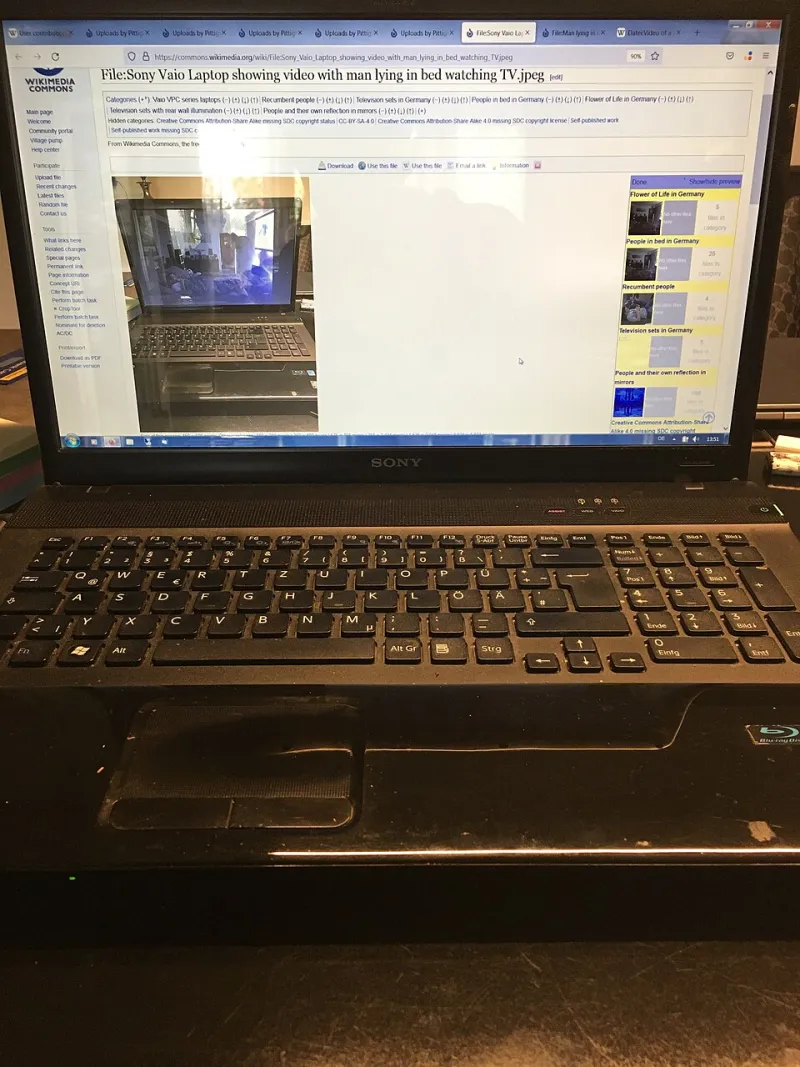
Photo: Pittigrilli, CC BY-SA 4.0, via Wikimedia Commons
Every NFL Sunday, millions of us set up like air traffic controllers. Main TV on the 1 p.m. window, laptop streaming a second game, phone propped on the couch arm with the Red Zone channel running, and a sportsbook app glowing in our hand. We call it maximizing the slate.
Your bankroll calls it something else: an easy mark.
The Multitasking Myth, Betting Edition
Here's the uncomfortable research. Study after study out of places like Stanford and MIT has shown that humans don't actually multitask — we task-switch, and every switch costs us. Attention researchers estimate it can take the brain well over 20 seconds to fully re-engage after a distraction. Now stack that against a live betting market that re-prices a single drive in under ten.
When you're splitting focus across four games, you're not watching four games. You're watching none of them, while feeling like you're watching all of them. That gap — between how informed you think you are and how informed you actually are — is exactly where impulse live bets are born.
Think about the classic Sunday collapse. You had one solid pregame position on Bills-Chiefs. Then the Red Zone whip-around shows a running back breaking a 40-yarder in a game you haven't tracked all day, and suddenly you've got $25 on that team's next-drive total because it felt live. You didn't have an edge. You had a dopamine ping with a betting slip attached.
Why Split Screens Make You Looser With Money
There's a second layer to this, and it's about how we psychologically file losses. When your attention is fragmented, individual bets stop feeling like decisions and start feeling like reactions. And reactions come with flimsier justification — which means losing them stings less in the moment, which means you place more of them.
Casino designers figured this out decades ago. Slot machines are engineered so you can play without thinking, because thinking is the enemy of volume. A four-game split screen with a sportsbook app in hand is essentially building your own slot machine out of the NFL schedule.
The math gets ugly fast. Say you typically bet two or three games a Sunday at $50 each — a reasonable, deliberate card. Under split-screen conditions, the average bettor I've talked to over the years places six to ten live wagers they never planned, mostly in the $10-$30 range. That's an extra $100-$200 of exposure, placed with less information than the bets you actually thought about. Over an 18-week season, that's a four-figure leak caused entirely by how you arranged your living room.
The One-Game Deep Framework
So here's the fix, and it's simpler than any betting system you've ever read: on any given Sunday or NBA doubleheader night, pick one game to actually watch, and treat it as your only live-betting window.
Step 1: Choose before kickoff, not during. Your one game should be chosen while you're calm — ideally the game where you already hold a pregame position or have done real homework. Never let the Red Zone graphic choose for you.
Step 2: Pregame bets can still be plural. This isn't a one-bet-per-day rule. If you like three numbers on the early slate, bet all three before kickoff. The discipline applies to live betting, where the fragmentation problem lives. Once the games start, your in-play action gets one lane.
Step 3: Everything else becomes score-watching, not bet-watching. You can check scores. You can cheer for your other tickets. What you can't do is open the live market on a game you're not actually following. If you can't explain what happened on the last three drives of a game, you have no business pricing its next play.
Step 4: Set a live-bet budget for your one game. Decide before kickoff — say, two live bets at $25 each, max. When the budget's gone, the app closes. This mirrors the stop-loss logic we've preached in bankroll pieces before, but applied to attention rather than dollars.
What You Get Back
The funny thing about going one-game deep is how much better your live reads get. Watch a single game for three hours and you start noticing things the market hasn't priced: an offensive tackle nursing an ankle, a defense rotating in a fresh nickel back, a coach who's clearly lost faith in his kicker. Those observations are the entire legitimate case for live betting. You cannot make them while refreshing three other scores.
There's also a stamina angle. Full slates are marathons, and decision fatigue is real — by the 4 p.m. window, the average multi-screen bettor is making measurably worse choices than they were at 1 p.m. Concentrating on one game preserves your judgment for the moments that matter, like a fourth-quarter live total where you've actually tracked the pace of play.
And honestly? It's more fun. Remember being a kid and caring about one game with your whole chest? That's the product the NFL is actually selling. The whip-around channel is a betting accelerant dressed up as a convenience.
The Bottom Line
Nobody's saying you need to live like a monk. Keep the Red Zone on for entertainment if you want it. But the moment you catch yourself reaching for the live market on a game you've been half-watching, ask one question: could I describe this game's last five minutes to a friend? If the answer is no, close the app.
One screen. One bet window. One game deep. Your bankroll will notice the difference long before your brain admits it was the problem.