Beat the Weekend Rush: How Early-Week NFL and NBA Lines Hand You Softer Numbers
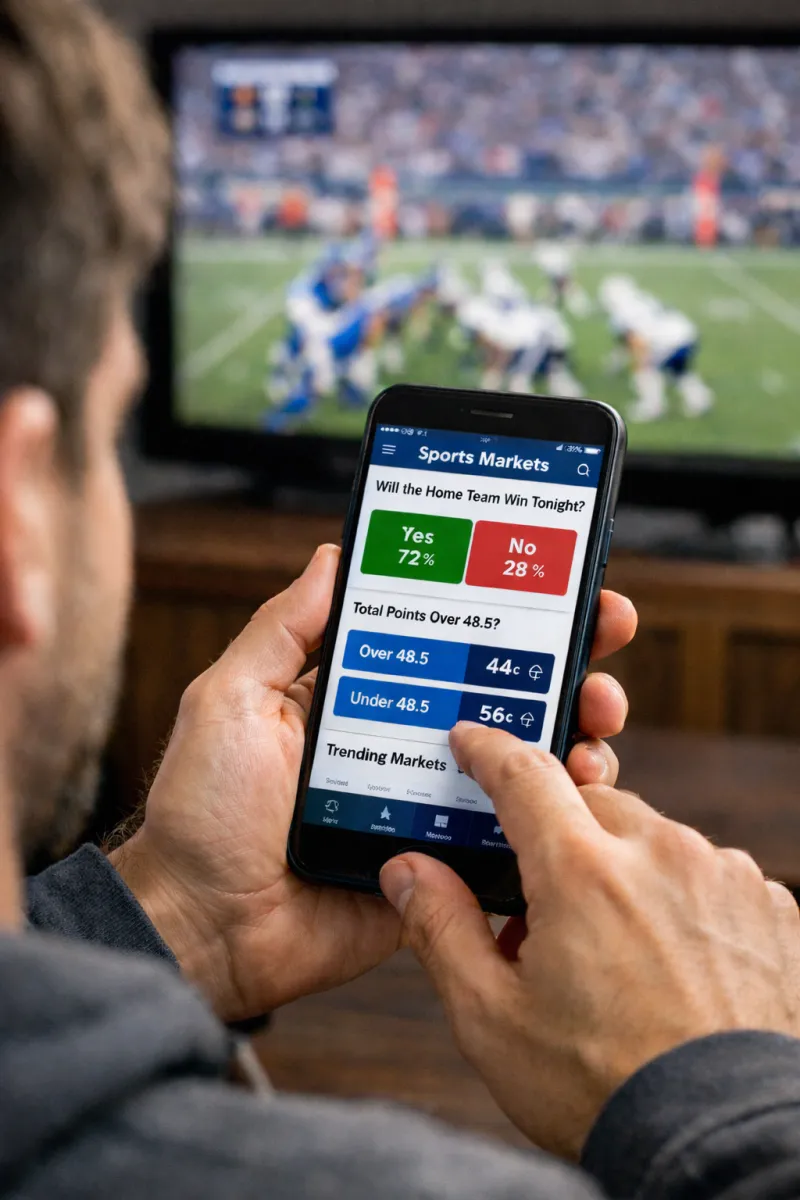
Sunday morning is the worst possible time to bet an NFL game. That's not a hot take — it's just how the market works. By the time most people in the US are scrolling their apps with coffee in hand, the line has already been hammered into its sharpest shape by professionals, bots, and everyone else who got there first.
The good stuff, more often than not, was sitting there on Tuesday afternoon.
Why Tuesday Lines Look Different From Sunday Closers
When a sportsbook posts an opening number, it's essentially an educated guess. The market hasn't voted yet. Books post early lines slightly softer — a half point off, a moneyline a touch juicier toward the underdog — because they're inviting action that will help them calibrate.
Then the money arrives. Sharps hit what they see as mispriced. Books adjust. By kickoff, the closing line reflects the collective wisdom of everyone betting the game, which is why beating the close is the gold standard for whether you actually had an edge.
A typical example: an NFL spread opens at Chiefs -4 on Tuesday. By Friday, after injury reports clarify and money piles in, it closes -5.5. Anyone who grabbed Kansas City at -4 captured a full point and a half of value they'd never see again. Same bet, same game — just a different day.
Basketball works the same way. An NBA total might open at 224.5 midweek and close at 227 by game time. In a sport where a single possession swings spreads, that drift is real money.
The 15-Minute Midweek Routine
You don't need to live in the sportsbook. You need a short, repeatable window. Here's a version that fits into a lunch break:
Step 1: Scan openings early. NFL lines typically drop Tuesday afternoon; NBA numbers often post the day before games, with bigger slates (like a full Wednesday card) available a day ahead.
Step 2: Check the injury and rest picture. Early lines are soft partly because the market hasn't fully priced in news. A quick check on key players — questionable tags, back-to-backs, rest days for stars — tells you whether the opener might be off.
Step 3: Bet only what you'd bet anyway. Early capture isn't about betting more games. It's about placing the same bets, earlier, at better numbers. If you liked the Bills at -3 all week, take the -3 on Wednesday instead of -4.5 on Sunday.
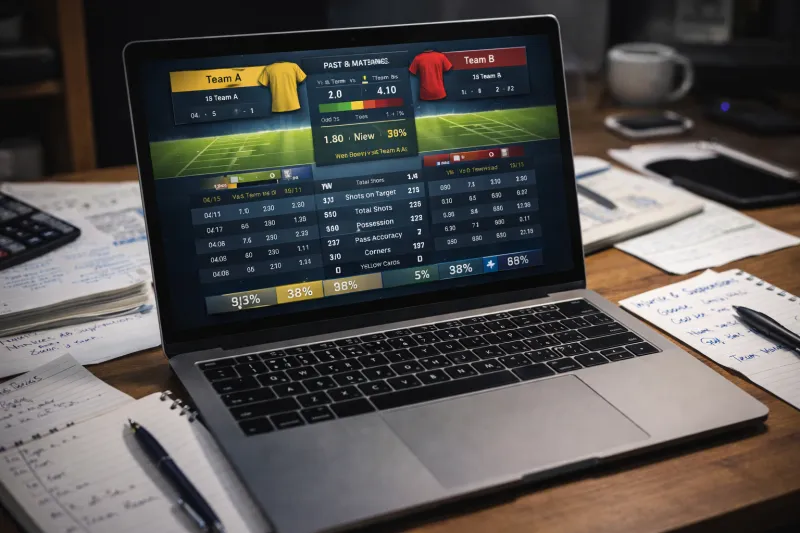
Step 4: Track your closes. Jot down what the line closed at. If you're consistently beating the close, you're finding value — even if a bet loses. That feedback loop is the whole game.
A Simple Teaser Checklist for Early Bettors
Teasers get a bad rap because most people build bad ones. But early-week teasers, done right, are one of the cleanest uses of soft opening lines. Run your candidate through this before placing it:
- Cross the key numbers only. In football, that means 3 and 7. A six-point teaser that moves a line from -7.5 to -1.5 or from +2.5 to +8.5 is doing real work. Teasing through 4 or 5 is usually wasted movement.
- Two or three legs, no more. Every added leg multiplies the ways to lose. Two-leg teasers at reduced juice are the sweet spot.
- Tease down, not up, on favorites. Dropping a big favorite into short-money territory (say, -9.5 to -3.5) captures far more equity than pushing a small favorite into a coin flip at -0.5.
- Prefer totals-adjacent games with low variance. Weather-impacted or run-heavy games tend to land on key numbers more often, which is exactly what teasers exploit.
- Check the teaser price. A standard two-team six-point teaser should pay around -110. If a book is charging -120 or worse, that's juice quietly eating your edge.
Pairing Early Bets With Midweek Promo Windows
Here's the part most bettors sleep on: a lot of promos reset or launch midweek, not on the weekend. Reload bonuses, odds boosts, and parlay insurance offers frequently appear Tuesday through Thursday, when books are trying to drive action before the big slate.
A few ways to stack this with your early-line habit:
- Use bonus bets on early numbers, not game day. A bonus wager placed Wednesday at a softer line stretches the same promo further than the same bet on Sunday.
- Watch for midweek odds boosts that match your early reads. If you liked a total at 224.5 and the book boosts it to +250 on Thursday, that's two edges in one ticket.
- Mind the expiration dates. Many bonus bets expire within 7–14 days. Using them on early lines keeps you from burning value on a rushed weekend wager.
- Read the fine print on minimum odds. Some midweek promos require -200 or shorter. That constraint shapes which early lines you can target, so check before you build your card.
The Bottom Line
The crowd bets weekends. The value, historically, lives midweek. You don't have to overhaul your life to exploit that — just shift the same betting routine forward by two or three days, run your teasers through a quick checklist, and line up your promos with the days books are hungriest for action.
Small habit, real edge. That's how steady bettors stay ahead of the pack.