The Invisible Rake: Why the Sportsbook's Cut Beats Your Picks Every Time

Photo: FanDuel, CC BY 3.0, via Wikimedia Commons
Here at UFA222 Sports Hub, we like to say the most important number on our site isn't 222 — it's the 2.22 hiding inside it. That's roughly what a standard sportsbook charge, the vig, shaves off every -110 bet you place. And unlike your quarterback, it never has an off week.
Most bettors spend all their energy on picks. Which side covers? Is the total too low? Meanwhile, the sportsbook is collecting rent on every single wager, win or lose. If you want to bet smarter in 2025, understanding this hidden tax is priority number one.
What the Vig Actually Is (In Plain English)
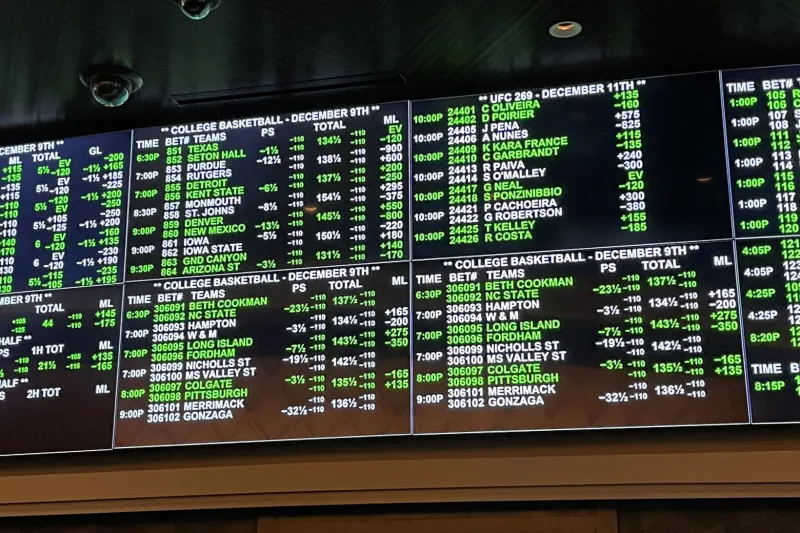
The vig — short for vigorish, also called juice or the rake — is the commission books build into every line. On a standard NFL spread, you'll see both sides priced at -110. That extra 10 isn't a coin flip. It's the house's fee for facilitating the bet.
Here's the quick math. If both teams are priced at -110, the implied probabilities add up to more than 100%:
- -110 implies about 52.38% (you risk $110 to win $100)
- Two sides at 52.38% equals 104.76%
That extra 4.76% is called the hold — the book's theoretical profit margin. Your personal cost as a bettor, per winning bet needed just to break even, works out to about 2.22% per dollar wagered at -110 odds. Bet $1,000 in total action at standard juice and you need to win roughly 52.4% of your plays just to tread water. Anything less, and the rake eats you alive.
Not All Bets Are Taxed Equally
This is where it gets interesting — and where casual bettors bleed money without realizing it. The hold varies wildly by bet type:
- Straight spreads and totals (-110): The fairest game in the building. Around 4.5–4.8% hold, roughly 2.22% effective cost per bet.
- Moneylines in lopsided games: A -300 favorite paired with a +250 underdog carries a much bigger markup. The implied probabilities can exceed 106–108%, meaning you're paying a steep premium just to take the obvious side.
- Parlays: The hold compounds. Stack four legs at -110 each and the book's edge multiplies with every leg added. A four-teamer can carry double-digit hold.
- Prop bets and player specials: Often the highest juice on the board. Fun? Absolutely. Cheap? Never.
- Futures: Season-long markets routinely carry holds north of 20%. You're not just fighting variance — you're fighting a massive upfront tax.
The pattern is simple: the flashier and more convenient the bet, the more it costs you. Straight spreads at reduced juice are the value aisle. Same-game parlays promoted on your lock screen are the gift shop.
Do the Break-Even Math in 30 Seconds
Want to know what any bet really costs? Convert the odds to implied probability and add up both sides of the market. The amount over 100% is the hold.
Quick reference for break-even win rates:
- -110: You need 52.38% winners to break even
- -105: 51.22% — a full percentage point of breathing room
- -115: 53.49% — suddenly you need to be genuinely good
- -120: 54.55% — now you're climbing a real hill
Notice how a mere five cents of juice shifts the required win rate by more than a full point? Over hundreds of bets in a season, that difference is the gap between a winning bettor and a donating one.
Why Beating the Juice Beats Picking Winners
Here's the uncomfortable truth: most bettors lose not because their picks are bad, but because the price they pay is too high. A bettor who wins 53% of their games but pays -115 everywhere is roughly break-even. A bettor who wins 52.5% but always gets -105 or better is quietly profitable.
Three habits that beat the rake:
- Line shop every ticket. Two minutes across a few books routinely saves 5–10 cents per bet. That's free win rate.
- Bet straight plays, not parlays. If you want correlated exposure, do it sparingly and with eyes open about the compounding hold.
- Hunt reduced-juice promos. Some books run -105 spreads as loss leaders. Those windows are the closest thing to free money in legal US sports betting.
The 222 Takeaway
The name UFA222 is a reminder: 2.22% is the benchmark. If your average bet costs more than that in effective juice, you're overpaying for the privilege of action. The sharpest bettors in America aren't necessarily better handicappers — they're just relentless about price.
Pick your spots, mind the margin, and never let the invisible rake do the winning for the house.