Fifteen Minutes, Fresh Lines: How to Turn Halftime Into Your Sneakiest Betting Edge
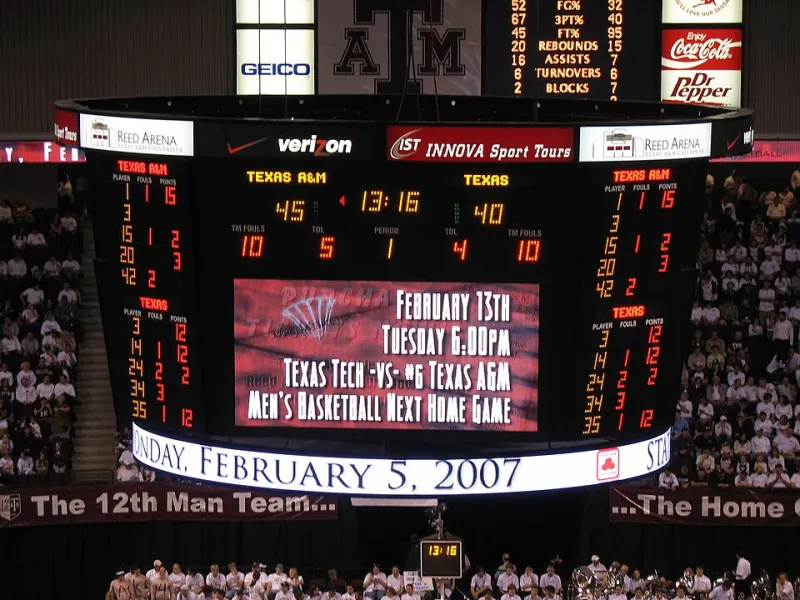
Photo: Corpx, CC BY 2.5, via Wikimedia Commons
Most bettors treat halftime as a bathroom break. Grab a snack, check the group chat, maybe scroll Twitter for hot takes. Meanwhile, a small crew of bettors is quietly hammering a market that's often mispriced by a point or more — and they're doing it in the time it takes to reheat pizza.
Halftime betting is the most underused corner of US sportsbooks, and the reason is simple: it requires you to actually pay attention during the first half. If you're willing to do that, here's how the break becomes the sharpest 15 minutes of your betting day.
Why Halftime Lines Lag Behind
Full-game lines get days of attention. Oddsmakers post them midweek, sharps pound them, books adjust. By kickoff (or tip), the number is about as efficient as sports betting gets.
Halftime lines are the opposite. They're generated quickly — often algorithmically — and posted within minutes of the whistle. There's no week of two-way money to sharpen the price. The book knows what happened in the first half and projects the rest, but it hasn't absorbed much betting volume yet.
That gap between what happened and what the line says happens next is where your edge lives. Casual money hasn't arrived. The line is still soft.
The Stats That Actually Matter for the Second Half
Not all first-half data predicts the second half. Some of it is noise. These are the signals worth checking during the break:
Foul trouble (NBA). A star with three or four fouls changes everything about second-half rotations. If a big man sat most of the second quarter and the line hasn't fully adjusted, that's an angle.
Pace mismatch. If a team that normally plays slow got dragged into a track meet, expect regression. First-half totals that ran way over or under the projection often snap back.
In-game injuries. An ankle tweak that got taped doesn't always make the broadcast. Check injury reports and beat writers on social media during the break — faster than the market sometimes.
Blowout risk (NFL). Teams leading by three scores late in the third quarter start resting starters. Halftime lines don't always price that fully, especially on totals.
Free throw and three-point variance. If a team shot 60% from deep in the first half, expect cooling. If they shot 20%, expect warming. Regression isn't guaranteed, but it's priced wrong more often than it should be.
Your 15-Minute Halftime Routine
Here's the whole system, built for NBA and NFL games:
Minutes 1–3: Check the scoreboard math. Compare the actual score to the full-game total and spread you expected. Is the first half running hot or cold relative to the closing line?
Minutes 4–6: Scan injuries and rotations. Fouls, tweaks, ejections. Two minutes on social media beats any stat sheet here.
Minutes 7–9: Pull up the halftime lines at two or three books. Line shopping matters even more here — halftime prices vary more between books than full-game lines do.
Minutes 10–12: Ask one question. Does the second-half number reflect what actually happened? If the answer is no, you've found your bet.
Minutes 13–15: Place it and step away. One bet. Small stakes. The halftime market moves fast, so hesitation costs you the number.
A Word on Discipline
Halftime betting rewards patience, not volume. You'll have games where nothing looks off — skip those entirely. The bettors who lose money in this market are the ones who convince themselves every halftime presents an angle. It doesn't. Two or three quality looks a night is plenty.
The books will figure out eventually that more casual bettors are paying attention at the break. Until then, the 15 minutes everyone else spends scrolling is yours.