When the Whistle Blows, the Market Blinks: A Live Bettor's Guide to TV Timeout Gold
Photo: Martin Lee, CC BY-SA 2.0, via Wikimedia Commons
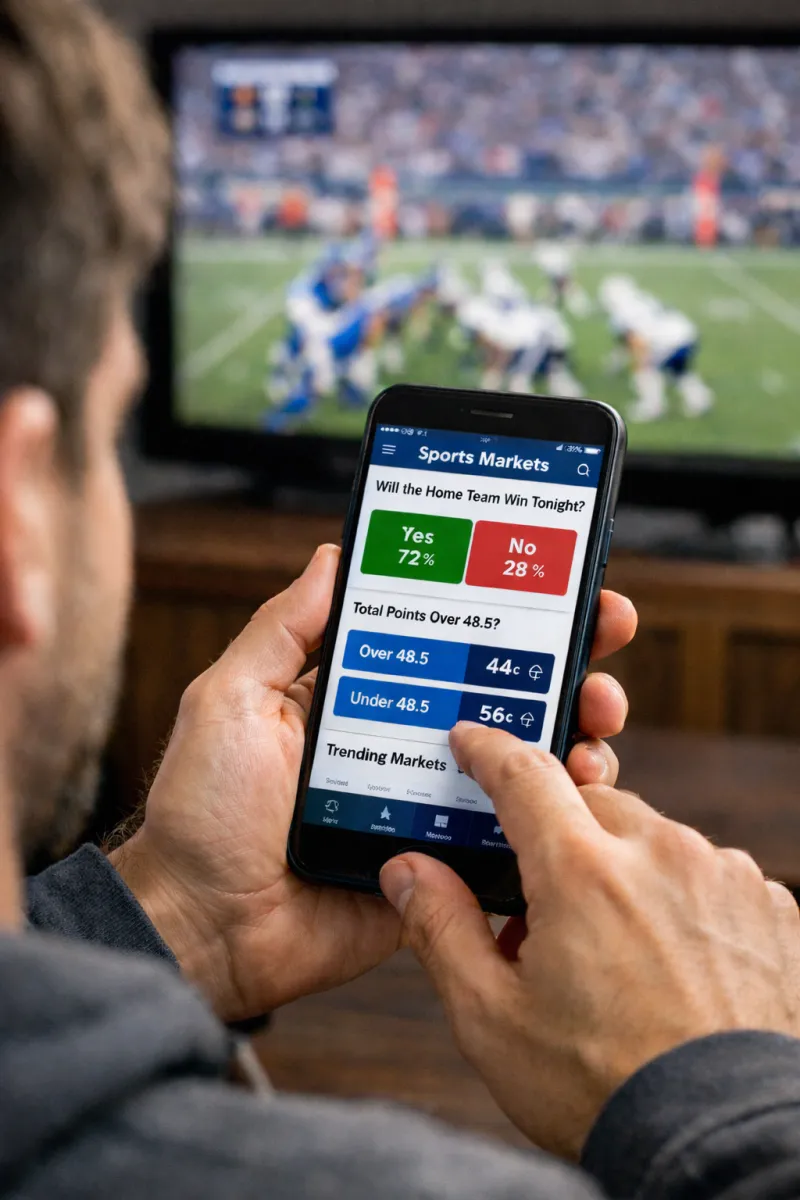
There's a weird rhythm to watching sports with a betting app open. The game stops, the odds stall, and you get maybe ninety seconds to think while everyone else scrambles. That gap — the TV timeout, the coach's challenge, the under-eight-minute media break — is where live betting quietly gets interesting.
The problem? Most people treat in-game wagering like a slot machine with extra steps. Big play happens, heart rate spikes, thumb hits the biggest number on the screen. Let's talk about a smarter way to use those dead-ball windows.
Why the Odds Freeze When the Game Doesn't
Sportsbooks reprice live markets fast, but they're not magic. During a timeout or commercial break, many books slow their updates or hold lines steady while their traders re-evaluate. That gives you a short window where the number on your screen is stale relative to what you just watched.
Think of it this way: if a quarterback throws a pick-six and the live spread hasn't fully adjusted by the time the kickoff unit jogs on the field, you're looking at a market that hasn't caught up to reality. That doesn't happen every play, but it happens often enough — especially in lower-profile games where books allocate fewer trading resources.
The Overreaction Playbook
Live lines swing on emotion more than any pre-game market ever will. Your edge comes from being the calm one in the room.
Watch for these common overreactions:
- One big play, new narrative. A 60-yard touchdown doesn't make a bad defense good or a good defense bad. Books and bettors both overcorrect after explosive plays, which can inflate the next total or spread.
- The injury scare that isn't. A star limps off, the live line moves hard. If he jogs back two plays later, the number often overshoots.
- Cold-shooting halves in the NBA. A team down eight after a rough first quarter is often priced like they're down twenty. Basketball is loud in small samples — regression shows up fast.
- Weather panic in early-season NFL games. Rain starts falling, totals drop, and sometimes the market moves more than the actual conditions justify.
The trick is having an opinion before the game starts. If you liked Team A at -3 pre-game and they fall behind early through pure variance — a tipped ball, a missed chip shot — the live number might hand them back to you at plus money on the same matchup you already believed in.
Your Dead-Ball Checklist
Use the commercial break as a forced thinking period. Ninety seconds is enough to answer three questions:
- Did anything real change? Injuries to key players, a star in foul trouble, a coach going to a looks-like-panic game plan. If nothing structural changed, the line move is noise.
- What's the number vs. my pre-game read? If the live price is worse than what you'd have taken before kickoff, skip it. Live betting isn't an obligation.
- Am I betting the game or betting my feelings? If you're down on your pre-game bet and want to "chase it back," close the app. Seriously. That's the single most expensive tap in sports betting.
Set Limits Before the Game, Not During
Live betting's biggest danger is volume. The lines move constantly, so the temptation to bet constantly is baked in. Set your guardrails while you're calm:
- Cap your live bets per game. Two or three is plenty. If you need ten, you're not reading the game — you're riding it.
- Fix your stake size in advance. Live wagers should be the same unit size as your pre-game bets, not doubled because the moment feels urgent.
- Decide your cash-out rules early. If you'll take a payout the moment your bet looks good, admit that going in and don't pretend you're a hold-until-the-whistle purist.
One more house rule worth stealing: never live bet a game you're not actually watching. A red zone graphic on your second screen is not the same as seeing the defense's coverage. If you can't watch, you can't price it — and neither can you, no matter how good the number looks.
The Bottom Line
Live betting isn't a separate hobby from regular sports betting — it's the same discipline with a faster clock. The bettors who win at it aren't the ones with the quickest thumbs. They're the ones who use every whistle, timeout, and commercial break as a moment to think while the market reacts.
The game stops. The line stalls. You've got a window. Use it on purpose.
Bet with your head, not over it. If gambling stops being fun, help is available at 1-800-GAMBLER.