Short Week, Sharp Card: How to Build a Thursday Night Football Slate Without the Panic Bets
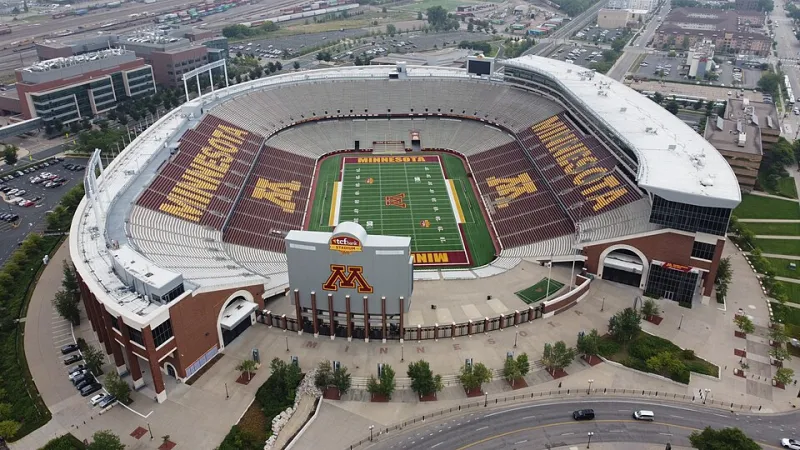
Photo: Lectrician2, CC BY-SA 4.0, via Wikimedia Commons
Thursday nights in the NFL are weird, and weird is where value lives — if you've got a plan. Lines move faster, injury reports drop later, and half the betting public is slapping together a parlay at 7:45 for an 8:15 kickoff. You don't have to be that person.
Here's the same-day routine we run at UFA222 every Thursday, from lunch to kickoff.
12:30 PM: Read the Injury Report Like a Detective
Wednesday and Thursday practice reports are your foundation. On a short week, a "limited" designation carries double the weight — a guy who sat Wednesday and went limited Thursday almost never plays at full speed.
What you're actually looking for:
- Offensive line changes. A backup tackle facing a legit edge rusher is a sack-fest waiting to happen, and it drags down the entire passing game.
- Questionable skill players who practiced fully. These guys often play but see a reduced snap count — perfect for the "under" on their props.
- Sneaky defensive absences. Nobody prices in a missing nickel corner, but every bettor prices in a missing WR1.
By the time you finish this step, you should have a shortlist of two or three markets where you think the line is stale.
5:00 PM: Re-Check the Line, Then Shop It
TNF lines can move a full point or more between the morning and early evening, especially after beat reporters tweet practice updates. Before you lock anything, do a quick line comparison across two or three books. Half a point matters — we've written about that before, and it matters even more in a low-total game like most Thursday matchups tend to be.
If the number you wanted is gone, skip it. There's no such thing as a must-bet on a Thursday.
The Markets That Actually Pay on Short Rest
Not all markets are created equal when both teams had three days of practice.
First-quarter totals. Short weeks produce sluggish, feeling-out opening frames. Both teams are installing simplified game plans, and coaches lean conservative early. First-quarter unders have historically been one of the softer edges on the board.
Team totals over player props. With limited practice time, individual usage gets unpredictable — a WR3 might suddenly run a full route tree. Betting a team total hedges you against the usage lottery.
Live betting after the first quarter. Honestly, this might be the best TNF angle of all. Wait 15 minutes, see how the game script actually looks, and bet the number with real information instead of guesswork. You'll pay a small vig premium for clarity that's usually worth it.
7:30 PM: The 10-Minute Cool-Down
Here's the discipline piece. Forty-five minutes before kickoff is when panic bets happen — you've been staring at the slate all day, you're itching for action, and you talk yourself into a six-leg parlay because it feels like the night needs one more thing.
Resist. Set your final card at 7:30, walk away for ten minutes, then come back and review it once. If a bet doesn't still make sense on the second read, cut it. A good Thursday card is usually two to four bets, not eight.
The Short-Week Mindset
Thursday football rewards preparation and punishes impulse. The sportsbooks know most bettors are tired, distracted, and betting with their gut by kickoff. Show up with a routine — injury report at lunch, line check at five, final card at 7:30 — and you're already ahead of the room.
And remember: it's one game. There's a full Sunday waiting right behind it. Bet Thursday like it's an appetizer, not the whole meal.